Reclaiming Authenticity in Digital Design: The Strategic Power of Grungy Brush Strokes and Dirty Paint Textures
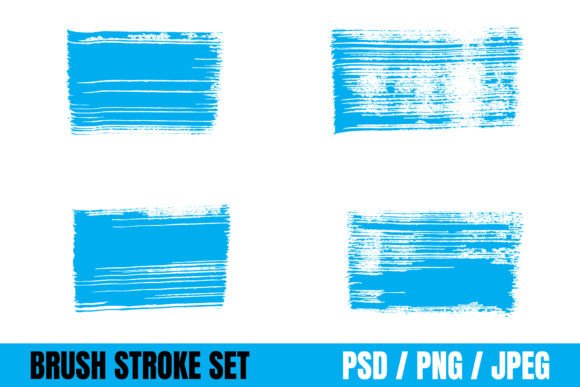
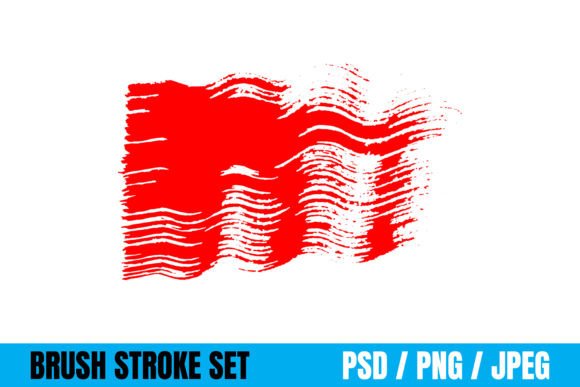
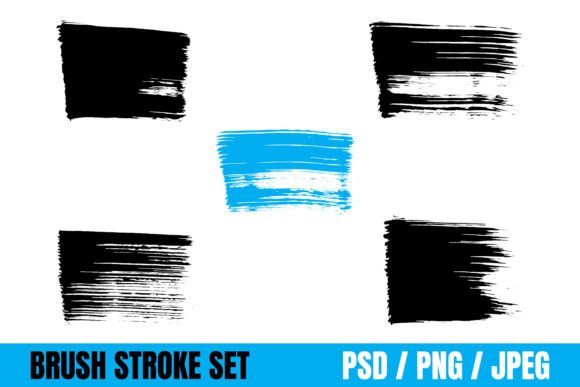
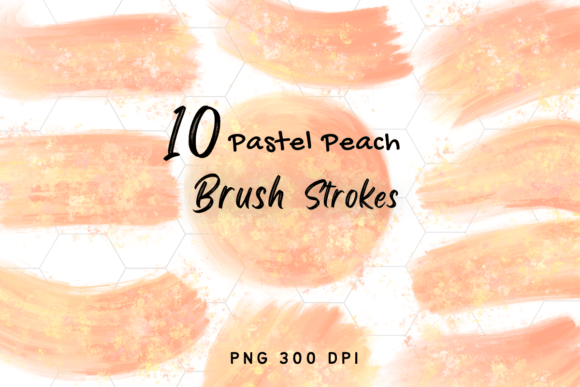
In an era where digital interfaces are increasingly polished, sterile, and algorithmically optimized, a counter-movement is gaining significant traction among designers, marketers, and brand strategists. The demand for tactile, imperfect, and human-centric visual elements has surged, driving the popularity of assets like Grungy Brush Strokes and Dirty Paint Brush textures. These are not merely decorative add-ons; they represent a fundamental shift in how audiences connect with visual media. By integrating these raw, organic elements into professional workflows, creators can bridge the gap between digital precision and human emotion.
The Psychology of Imperfection in Modern Branding
The widespread adoption of Grungy Brush Strokes reflects a broader consumer fatigue with hyper-perfection. For years, corporate design leaned heavily on clean lines, flat colors, and sans-serif minimalism. While efficient, this approach often resulted in a homogenized visual landscape where brands struggled to distinguish themselves. Today’s consumers, particularly Millennials and Gen Z, crave authenticity. They respond to visuals that feel handcrafted, urgent, and real.
This is where the Dirty Paint Brush aesthetic becomes a powerful tool. It introduces controlled chaos into structured layouts. When a viewer sees a rough, textured stroke, their brain registers it as something created by a human hand, not a machine. This subtle cue builds trust and emotional resonance. For entrepreneurs and freelancers, leveraging this psychological trigger can mean the difference between a user scrolling past an ad and stopping to engage with a brand story.
Aligning with Industry Trends and Consumer Expectations
The relevance of these textures extends beyond mere aesthetics; it aligns with several macro-trends in technology and lifestyle. As artificial intelligence generates more content, the value of "human-made" signals increases. Using high-quality brush stroke assets allows designers to inject humanity back into AI-assisted workflows. Furthermore, the rise of direct-to-consumer brands has lowered the barrier to entry for small businesses. These entities often lack the budget for large-scale photo shoots but need high-impact visuals. Grungy Brush Strokes offer a cost-effective solution to create bold, memorable imagery without expensive production costs.
Moreover, the trend toward sustainability and eco-consciousness in packaging and product design favors natural, earthy textures. A dirty paint effect can mimic organic materials, reinforcing a brand’s commitment to natural values. This contextual alignment makes such assets indispensable for modern marketing strategies that prioritize narrative and values over pure functionality.
Versatility Across Creative Workflows
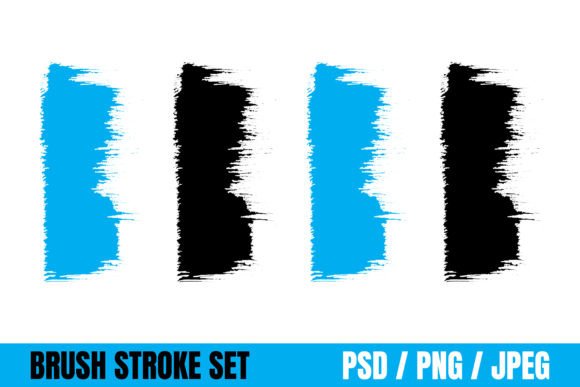
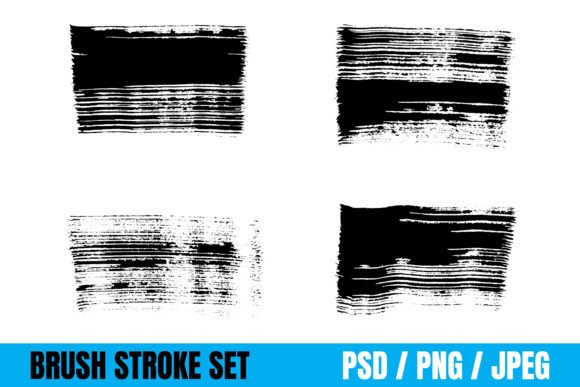
One of the primary reasons professionals are paying attention to this specific set of paintbrush strokes is their exceptional versatility. Unlike rigid vector shapes or static stock photos, brush strokes are dynamic elements that can adapt to various mediums. The fact that these strokes come in different formats ensures that they can be seamlessly integrated into any part of the creative pipeline.
Consider the workflow of a graphic designer working on a Book Cover. A thriller novel might benefit from jagged, aggressive strokes to convey tension, while a memoir might use softer, washed-out textures to evoke nostalgia. Similarly, in Packaging design, a craft beer label or artisanal coffee bag can utilize these textures to communicate small-batch quality and handmade care. The ability to toggle between opaque, semi-transparent, and blended modes allows for endless customization.
Practical Applications in Digital and Print Media
The utility of these assets spans both physical and digital realms. Here is how professionals are currently leveraging them:
- T-shirts and Apparel: Streetwear brands use grunge textures to create vintage-inspired graphics that appeal to fashion-forward consumers.
- Social Media Banners: In crowded feeds, a banner with a bold, dirty paint background stands out against the sea of white space and corporate blue.
- Website Headers: Adding a subtle brush stroke behind a call-to-action button can draw the eye and increase click-through rates by breaking visual monotony.
- Logo Design: For creative agencies or music festivals, incorporating a brush element into a logo adds energy and movement.
- Craft Projects: DIY enthusiasts use these digital assets to plan physical projects, printing them onto transfer paper or using them as stencils.
This cross-platform compatibility ensures that your brand identity remains consistent whether it appears on a business card or a mobile screen. The included PSD files are particularly valuable because they allow for non-destructive editing. Designers can adjust colors, opacity, and blending modes to match their specific project requirements without losing image quality.
Enhancing Efficiency Without Sacrificing Quality
For freelancers and agency teams, time is a critical resource. Creating authentic-looking brush strokes from scratch requires significant skill and time. It involves experimenting with different paints, papers, and scanning techniques. By utilizing a pre-created set of Grungy Brush Strokes, professionals can bypass this labor-intensive process. This efficiency does not come at the cost of quality; rather, it allows designers to focus on composition and strategy.
The inclusion of multiple formats means that these assets are ready for immediate use in industry-standard software. Whether you are working in Photoshop, Illustrator, or Canva, there is a format that fits your needs. This flexibility supports agile workflows, enabling rapid prototyping and iteration. In fast-paced marketing environments, the ability to quickly generate high-quality visual variations is a competitive advantage.
The Role of Texture in Visual Hierarchy
Beyond speed, these brush strokes play a crucial role in establishing visual hierarchy. In complex designs, such as infographics or event posters, texture can guide the viewer’s eye. A heavy, dark stroke can anchor a layout, while lighter, splattered effects can lead the eye toward key information. This strategic use of texture helps organize content and improves readability, making the design not just beautiful, but functional.
Furthermore, the contrast between clean typography and rough textures creates visual interest. This juxtaposition keeps the viewer engaged longer, which is essential for retaining attention in digital spaces. By mastering the balance between order and chaos, designers can create compositions that are both aesthetically pleasing and effective in communicating their message.
Future-Proofing Your Creative Toolkit
As design trends continue to evolve, the desire for authenticity shows no signs of diminishing. If anything, as virtual reality and augmented reality become more prevalent, the need for tactile, grounded elements will grow. These digital textures serve as a bridge between the physical and virtual worlds, providing a sense of familiarity and comfort. Investing in a comprehensive set of brush strokes is not just a short-term tactical move; it is a long-term strategic investment in your creative toolkit.
Professionals who understand how to leverage these assets effectively will find themselves better equipped to meet the changing needs of clients and audiences. Whether you are designing a Social Media Banner for a startup or a Packaging label for an established brand, the ability to inject personality and depth through texture is invaluable.
To explore how these tools can transform your next project, consider downloading the full collection. With PSD files included, you have the freedom to experiment, customize, and innovate. Embrace the imperfection, celebrate the human touch, and let your designs speak with a voice that is uniquely yours. In a world of digital noise, authenticity is the ultimate signal.
By integrating Grungy Brush Strokes and Dirty Paint Brush elements into your work, you are not just following a trend; you are participating in a larger cultural shift toward meaningful, human-centered design. This approach resonates with audiences who are tired of the artificial and are seeking genuine connections. Start incorporating these versatile assets today and watch your creative projects gain the depth and character they deserve.