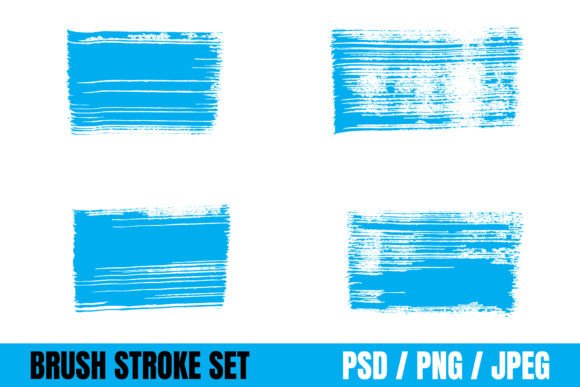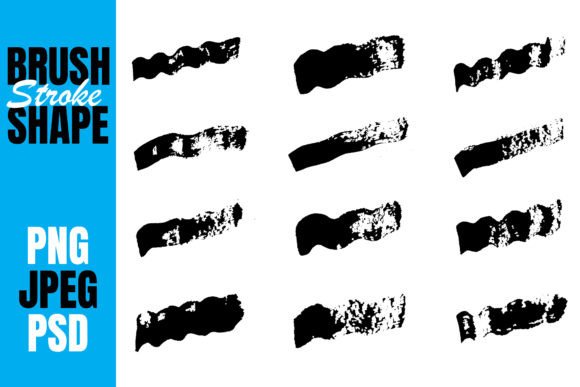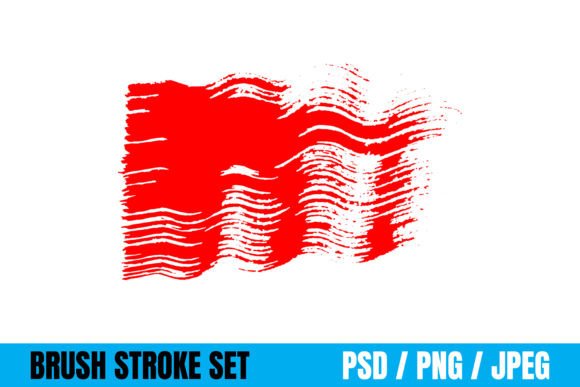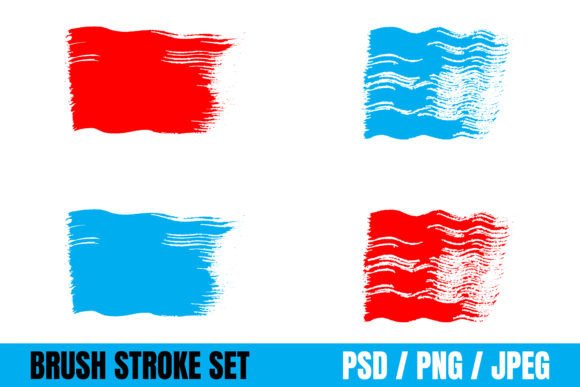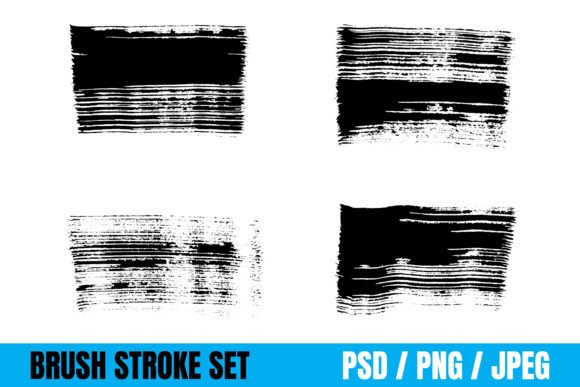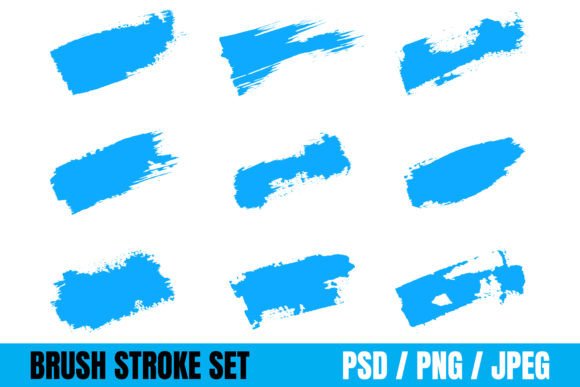
Dirty Brush Effect and Grungy Brush Effect: Elevating Modern Design with Authentic Texture
In an era where digital interfaces are increasingly polished, minimalist, and uniform, there is a growing counter-movement toward authenticity. Designers, marketers, and creators are rediscovering the power of imperfection. This is where the Dirty Brush Effect and Grungy Brush Effect come into play. These stylistic choices are not merely about adding noise or clutter to a composition; they are strategic tools used to inject personality, history, and tactile warmth into visual communication. By incorporating organic textures, professionals can break through the visual fatigue caused by sterile, vector-perfect graphics, creating work that feels human, approachable, and memorable.
The relevance of these effects has surged as audiences become more discerning. Consumers today crave connection. A brand that presents itself with too much perfection can sometimes feel distant or corporate. In contrast, a design that utilizes grunge elements suggests craftsmanship, effort, and a story behind the product. Whether you are designing a logo for a craft brewery, a social media banner for a lifestyle blog, or packaging for an artisanal soap, the application of textured brush strokes can significantly enhance the emotional resonance of your project.
The Evolution of Texture in Digital Workflows
Historically, achieving a genuine dirty or grungy look required physical materials. Artists would paint on rough canvas, stain paper with coffee, or scan worn-out surfaces. While this traditional approach still holds value, modern technology has democratized access to high-quality textures. The evolution of digital assets means that creators no longer need to be master painters to achieve painterly results. Instead, they can leverage pre-made assets that offer the same visual depth without the steep learning curve or time investment.
This shift aligns with the changing habits of modern workflows. Freelancers and small business owners often wear multiple hats, managing everything from content creation to brand strategy. They need tools that are efficient yet versatile. A set of paintbrush strokes that is perfectly created for creative projects allows these individuals to maintain high production values while meeting tight deadlines. The ability to drag, drop, and customize a grunge element within seconds enables rapid iteration, which is crucial in today’s fast-paced digital landscape.
Furthermore, the expectation for high-resolution, scalable graphics has never been higher. Users expect visuals to look crisp on a 4K monitor and equally compelling on a mobile device. This is why the format of your texture assets matters immensely. High-quality sets typically include files in PSD, JPEG, and PNG formats, ensuring compatibility across various software ecosystems. Whether you are using Adobe Photoshop for complex compositing or Canva for quick social media updates, having the right file type ensures that the integrity of the Dirty Brush Effect is preserved regardless of the platform.
Practical Applications Across Industries
The versatility of grungy brush strokes extends far beyond fine art. Their practical implications are vast, touching nearly every sector of the creative economy. Understanding where and how to apply these effects can transform a mediocre design into a standout piece.
- Branding and Logos: For businesses in the outdoor, vintage, or handmade sectors, a clean sans-serif font might feel out of place. Integrating a grungy brush stroke behind or within a logo can anchor the brand identity in ruggedness or tradition. It signals to the customer that the brand values substance over slickness.
- Packaging Design: Unboxing experiences are critical for e-commerce. Packaging that features textured elements feels premium and tactile, even before the box is opened. A Grungy Brush Effect can be used to highlight key product benefits or frame nutritional information, making the label feel like part of an artisanal narrative rather than a mass-produced commodity.
- Apparel and Merchandise: T-shirts and tote bags benefit immensely from distressed graphics. The print-on-demand industry thrives on designs that look lived-in. Using brush strokes that mimic screen-printing imperfections can give digital designs a vintage appeal that resonates with fashion-conscious consumers.
- Digital Marketing Assets: Social media banners and website headers often suffer from banner blindness. Introducing organic shapes and dirty textures can disrupt the grid layout just enough to catch the eye. It adds visual weight and direction, guiding the viewer’s attention to call-to-action buttons or key headlines.
Choosing the Right Format for Your Project
When selecting resources for your creative toolkit, understanding the technical specifications is as important as the aesthetic choice. The statement that "this set of paintbrush strokes comes in different formats so you can use these paintbrush strokes anywhere you want" is not just marketing fluff; it is a practical necessity for modern designers.
PSD (Photoshop Document) files are ideal for professionals who need full editability. With PSDs, you can adjust layer styles, change blending modes, and modify the opacity of individual brush strokes. This level of control is essential when integrating textures into complex compositions where lighting and shadow need to match the rest of the image.
PNG (Portable Network Graphics) files are the workhorse of web design and quick edits. Because they support transparency, you can place a grungy brush stroke directly over a photo or a colored background without worrying about a white box appearing around it. This makes PNGs perfect for social media graphics, email newsletters, and presentation slides.
JPEG (Joint Photographic Experts Group) files, while lacking transparency, are useful for background textures or when file size is a concern. They can be used as overlay layers in video editing software or as base textures in 3D modeling applications. Having all three formats ensures that whether you are working on a book cover, a website, or a craft project, you have the right tool for the job.
Integrating Grunge into Contemporary Aesthetics
A common misconception is that grunge and dirty effects are outdated or solely associated with the 1990s rock aesthetic. However, contemporary design has reinterpreted these elements. Today’s Dirty Brush Effect is often subtler, used to add depth rather than dominate the composition. It is about balance. The goal is to enhance the message, not obscure it.
For educators and content creators, these textures can make educational materials more engaging. A worksheet or a slide deck that incorporates hand-drawn elements feels less intimidating and more inviting. Similarly, bloggers can use brush strokes to separate sections of text or highlight quotes, breaking up long-form content and improving readability.
Entrepreneurs and business owners should consider how these visual cues align with their brand voice. If your brand is about innovation and cutting-edge technology, heavy grunge might send the wrong signal. However, if your brand is about sustainability, community, or heritage, these organic textures reinforce your core values. It is a visual shorthand that communicates authenticity without saying a word.
Recommendations for Effective Use
To get the most out of your brush stroke assets, consider the following best practices:
- Layering is Key: Do not rely on a single brush stroke. Combine multiple elements with varying opacities and blending modes (such as Multiply or Overlay) to create a rich, complex texture that looks natural.
- Color Harmony: Ensure that the color of your brush strokes complements your palette. Sometimes, desaturating the texture or adjusting its hue to match the background can make it feel more integrated and less like an afterthought.
- Context Matters: Use heavier, darker grunge for bold statements and lighter, subtler textures for background interest. Always ask yourself if the texture supports the hierarchy of information in your design.
- Experiment with Masks: Use layer masks to fade out parts of the brush stroke. This creates a sense of movement and prevents the design from looking static or boxed in.
In conclusion, the Dirty Brush Effect and Grungy Brush Effect are powerful tools in the modern designer’s arsenal. They offer a way to humanize digital content, connect with audiences on an emotional level, and stand out in a crowded marketplace. By utilizing versatile assets available in PSD, JPEG, and PNG formats, creators can seamlessly integrate these textures into everything from t-shirts and packaging to websites and social media banners. As the demand for authentic, story-driven design continues to grow, mastering the art of controlled imperfection will remain a valuable skill for professionals and hobbyists alike.