Revolutionizing Digital Texture: The Strategic Value of the Rusty Metal Peeling Procreate Brush
In the rapidly evolving landscape of digital illustration, the demand for authenticity has never been higher. As audiences become increasingly sophisticated, they can easily distinguish between flat, sterile digital renders and artwork that possesses depth, history, and tactile realism. This shift in consumer expectation has driven a significant transformation in how professional creators approach their workflows. At the forefront of this movement is the Rusty Metal Peeling Procreate Brush, a specialized tool designed to bridge the gap between traditional material decay and modern digital efficiency. For professionals, entrepreneurs, and marketers alike, understanding the utility of such niche assets is no longer just about artistic preference; it is about maintaining competitive relevance in a saturated visual market.
The Rise of Imperfection in Digital Aesthetics
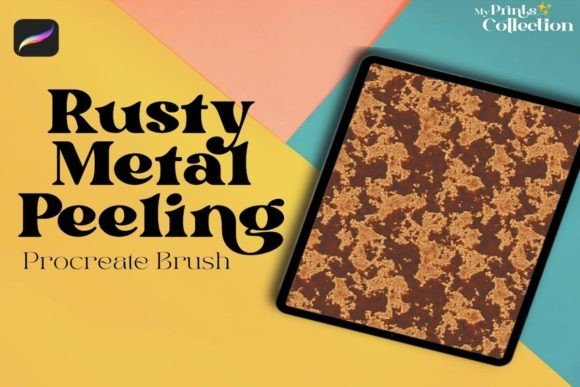
For years, digital art was synonymous with perfection. Clean lines, uniform gradients, and flawless surfaces dominated the industry. However, current trends in branding, gaming, and editorial design favor the "wabi-sabi" aesthetic—the appreciation of beauty in imperfection. Viewers are drawn to textures that suggest age, wear, and environmental interaction. This is where the Rusty Metal Peeling Procreate Brush becomes an indispensable asset. It allows artists to simulate the complex, chaotic patterns of oxidized metal and peeling paint without the hours of manual rendering traditionally required.
This trend is not merely stylistic; it is psychological. Textures evoke memory and sensory response. A rusted surface suggests durability, history, and resilience. For marketers creating campaigns for industrial products, automotive brands, or vintage-inspired lifestyle goods, incorporating these elements creates an immediate emotional connection with the audience. The brush serves as a conduit for this narrative, enabling creators to embed storytelling directly into the visual fabric of their work.
Streamlining the Professional Workflow
Time is the most valuable currency for freelancers and creative agencies. Traditional methods of creating realistic rust textures involve complex layering, custom photo manipulation, or extensive hand-painting. These processes are not only time-consuming but also difficult to replicate consistently across multiple assets. The Rusty Metal Peeling Procreate Single Brush addresses this inefficiency by offering a seamless pattern texture that can be applied with precision and speed.
By integrating this tool into their toolkit, professionals can significantly reduce turnaround times. Consider a concept artist working on a post-apocalyptic game environment. Instead of spending days painting individual flakes of rust on every metal surface, they can utilize the brush to establish a base texture that feels organic and varied. This allows them to focus their energy on composition, lighting, and character design—areas that require higher-level creative decision-making. The result is a more polished final product delivered within tighter deadlines, a critical advantage in today’s fast-paced gig economy.
Technical Precision and Compatibility
To leverage this tool effectively, it is essential to understand its technical framework. The Rusty Metal Peeling Procreate Brush is engineered specifically for the iPad ecosystem, ensuring optimal performance and responsiveness. It is crucial to note the software requirements: users must have Procreate App version 5 or higher. This specificity ensures that the brush utilizes the latest rendering engines and pressure sensitivity algorithms available in the software, providing a natural feel that mimics physical media.
However, compatibility is limited. This tool is not compatible with Photoshop or Illustrator. This distinction is vital for professionals who operate within Adobe-centric workflows. While it may seem like a limitation, it actually highlights the growing specialization of digital tools. Procreate has carved out a unique niche for intuitive, touch-based creation, and tools like this are optimized exclusively for that environment. Creators must therefore adapt their workflows, potentially using Procreate for texturing and initial concepts before exporting to other platforms for final layout or vectorization if necessary.
Market Relevance for Entrepreneurs and Marketers
Beyond individual artists, there is a growing market for high-quality digital assets among entrepreneurs and small business owners. In an era where content creation is democratized, non-designers are often tasked with producing visual materials for social media, packaging, and web design. The Rusty Metal Peeling Procreate Brush lowers the barrier to entry for achieving professional-grade textures. It empowers marketers to create distinctive brand visuals that stand out against the backdrop of generic stock photography.
Consider a boutique coffee shop launching a new line of industrial-chic merchandise. Using this brush, the owner can design labels and promotional graphics that feature authentic-looking distressed metal backgrounds, reinforcing the brand’s aesthetic without hiring an expensive agency. This autonomy not only reduces costs but also allows for greater creative control and agility in responding to market trends.
Changing Consumer Expectations and Digital Craftsmanship
The attention paid to tools like the Rusty Metal Peeling Procreate Single Brush reflects a broader cultural shift towards valuing digital craftsmanship. Audiences are becoming more aware of the effort and skill involved in digital creation. They appreciate when artists go beyond default filters and presets to create custom, nuanced textures. This appreciation translates into higher engagement rates, increased perceived value, and stronger brand loyalty.
Furthermore, the use of such specific tools signals professionalism. It demonstrates that the creator is invested in their craft and willing to utilize specialized resources to achieve superior results. For freelancers building their portfolios, showcasing work that features complex, realistic textures can differentiate them from competitors who rely on simpler, flatter styles. It serves as a testament to their technical proficiency and artistic vision.
Practical Applications Across Industries
The versatility of the Rusty Metal Peeling Procreate Brush extends beyond fine art. Here are several practical observations on its application:
- Game Design: Creating immersive environments for indie games where budget constraints limit the use of high-resolution 3D scanning. The brush provides a quick way to add detail to 2D assets and UI elements.
- Fashion and Textile Design: Simulating distressed fabrics or metallic accessories in digital fashion sketches, allowing designers to visualize concepts with greater realism before production.
- Editorial Illustration: Adding grit and atmosphere to magazine covers and article headers, particularly for topics related to history, industry, or urban decay.
- Product Mockups: Enhancing digital mockups of physical products by adding realistic wear and tear, helping clients visualize how their products might age or fit into rugged environments.
Integrating Texture into Modern Creative Strategies
As we look toward the future of digital art, the integration of realistic textures will continue to play a pivotal role. The line between digital and physical is blurring, with augmented reality (AR) and virtual reality (VR) experiences demanding higher fidelity visuals. Tools that enable rapid creation of complex surfaces will be essential for meeting these demands. The Rusty Metal Peeling Procreate Brush is not just a current solution; it is a step towards mastering the skills needed for next-generation media.
For creators, the key is to view this brush not as a shortcut, but as an enhancer of creativity. It frees up mental bandwidth, allowing artists to experiment with composition and color theory without getting bogged down in the minutiae of texture generation. By mastering such tools, professionals can elevate their work, meet evolving client expectations, and stay ahead in a competitive industry.
In conclusion, the Rusty Metal Peeling Procreate Brush represents more than a simple digital asset. It is a reflection of the changing tides in digital aesthetics, workflow efficiency, and consumer psychology. For those willing to adapt and integrate such specialized tools into their practice, the rewards are substantial: enhanced realism, improved productivity, and a distinct competitive edge. As the digital landscape continues to mature, the ability to convey authenticity through texture will remain a cornerstone of impactful visual communication.